The type of roof material you choose is not only for aesthetics. It is a critical part to providing shelter and protection from the elements. This blog post simplifies your decision-making process by exploring different roofing materials and helping you find the best fit for your home.
The Importance of Roofing Materials
The choice of roofing material impacts your home’s energy efficiency, maintenance needs, and even its resale value. Choosing wisely can save you money in the long run by reducing repair costs and improving energy efficiency. On the flip side, picking the wrong material could mean frequent repairs and higher energy bills. This post aims to guide you through the maze of roofing options, offering insights into the pros and cons of each material.
Common Roofing Materials
Asphalt Shingles
Asphalt shingles are perhaps the most common roofing material used in residential buildings due to their affordability and ease of installation. They come in a variety of colors and styles, offering homeowners flexibility in matching their home’s aesthetic. Asphalt shingles are known for their ability to withstand various weather conditions, making them a popular choice across different climates.
However, they may not last as long as other materials, typically requiring replacement every 20 to 30 years. Maintenance is relatively straightforward, but asphalt shingles can be susceptible to damage from high winds and sudden temperature changes, which can cause them to crack or warp over time.
Metal Roofing
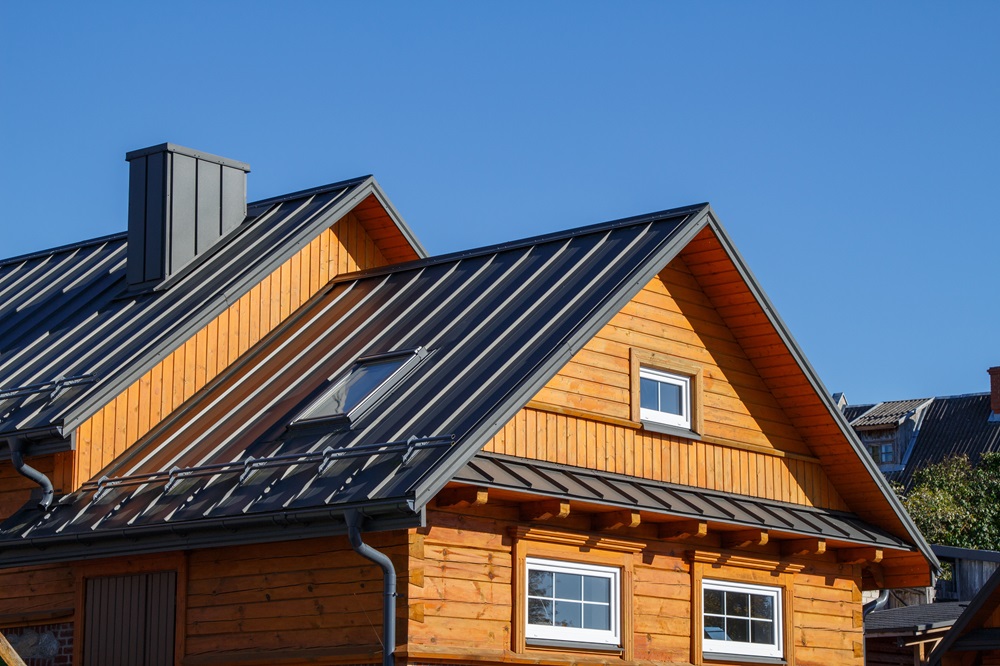
Metal roofing is gaining popularity for its durability and longevity. Made from materials like steel, aluminum, or copper, metal roofs can last up to 50 years with proper maintenance. They offer excellent resistance to harsh weather conditions, including heavy rain and snow, and are fire-resistant, adding an extra layer of safety.
The sleek, modern appearance of metal roofing can enhance a home’s aesthetic appeal, but this comes at a higher cost compared to asphalt shingles. However, the energy efficiency and long lifespan can offset the initial investment over time, making metal roofing an economical choice in the long run.
Wood Shakes and Shingles
Wood shakes and shingles provide a natural and rustic look that appeals to homeowners seeking a more traditional aesthetic. They are typically made from cedar, redwood, or pine, and offer good insulation properties, helping to maintain indoor temperature.
While wood can be more expensive and require more maintenance than other materials, such as treating mold and insects, it can last up to 30 years if well-maintained. The organic look of wood roofing, however, may not suit all architectural styles and climates, particularly in areas prone to wildfires.
Slate Roofing
Slate roofing is renowned for its elegance and durability, often lasting over 100 years. Made from natural stone, slate offers a unique appearance that can significantly boost a home’s market value. It is also incredibly resistant to fire and harsh weather conditions, providing superior protection.
The downside to slate roofing is its cost and weight. It is one of the most expensive roofing options, and its heavy weight often requires additional structural support, which can add to installation costs. Slate is ideal for homeowners looking for a long-lasting, high-end roofing solution and willing to invest in its installation.
Clay Tiles
Clay tiles are cherished for their distinctive appearance and enduring quality. Often associated with Mediterranean or Spanish-style homes, clay tiles are durable and can last up to 100 years. They are resistant to fire, rot, and insect damage, making them a resilient choice.
However, like slate, clay tiles are heavy and may require reinforcements to support their weight. They are also more costly than other materials, but their long lifespan and minimal maintenance can justify the initial expense for many homeowners. Clay tiles are particularly suitable for warm climates as they help keep homes cool.
The Pros and Cons
Each roofing material has its unique advantages and disadvantages. Asphalt shingles offer affordability and ease of installation but may require more frequent replacement. Metal roofing provides durability and energy efficiency at a higher upfront cost. Wood shakes bring a natural aesthetic but demand regular maintenance. Slate and clay tiles offer unrivaled longevity and beauty but at a significant initial investment and support requirements.
Selecting the Best Roofing Material for Your Home
When selecting a roofing material, consider your local climate, architectural style, and budget. In areas with snowfall, like those near Grace Roofing in Eugene, Oregon, durability and weight-bearing capacity are key factors. For warmer climates, materials that provide natural cooling, like clay tiles, are beneficial.
Your home’s architectural style may also influence your choice. Traditional homes may benefit from the rustic charm of wood, while contemporary designs may look best with sleek metal roofing. Lastly, your budget will play a crucial role; weigh the cost against the benefits each material offers over its lifespan.
Roofing Material in Eugene, Oregon
Choosing the right roofing material is a significant decision that can impact your home’s longevity, energy efficiency, and overall value. By understanding the options available and their respective advantages, you can make an informed choice that best suits your needs and preferences.
For homeowners ready to take the next step, consider consulting with professionals like Grace Roofing in Eugene, Oregon, who can offer expert guidance tailored to your specific situation. Whether you’re replacing an old roof or building a new home, investing in the right material will ensure your roof stands strong for years to come. You can reach us by phone at (541)505-0706 or contact us online through our contact form.